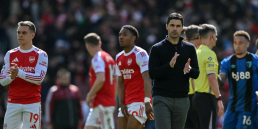

Another year, another new Chelsea manager, and another new era at Stamford Bridge. The Blues have announced the appointment of former Derby County and Hull City manager Liam Rosenior on a six-year contract after Italian Enzo Maresca left the club by mutual consent.

Chelsea fans feel this represents another fresh start under a young, promising manager, but we take a look at how Chelsea’s board and sporting directors have already set Liam Rosenior up to fail quickly at the club.
Background
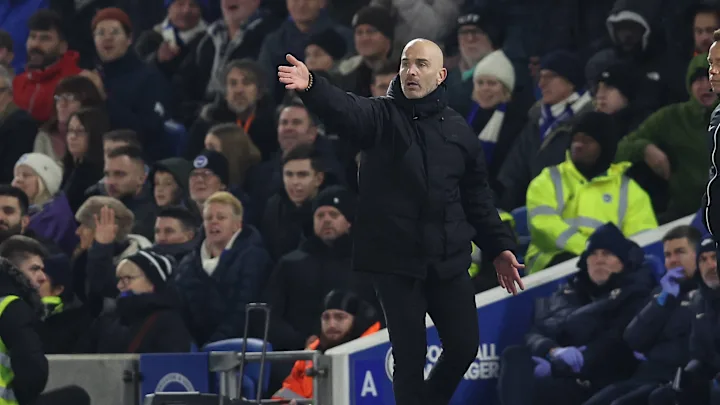
Although reports suggest Enzo Maresca decided to quit Chelsea, many believe the relationship between the Italian manager and Chelsea’s board and sporting directors had deteriorated.
This explains why the club quickly moved for Liam Rosenior, who worked under Chelsea’s umbrella at Blue Co-owned Strasbourg for over a year and represents their ideal coaching profile.
Chelsea’s idea of a manager revolves around little influence over transfers, someone the club can instruct on how to handle certain players, and following the club’s long-term plans. That approach creates a recipe for hiring and firing as managers gain authority with wins, results, and recognition.
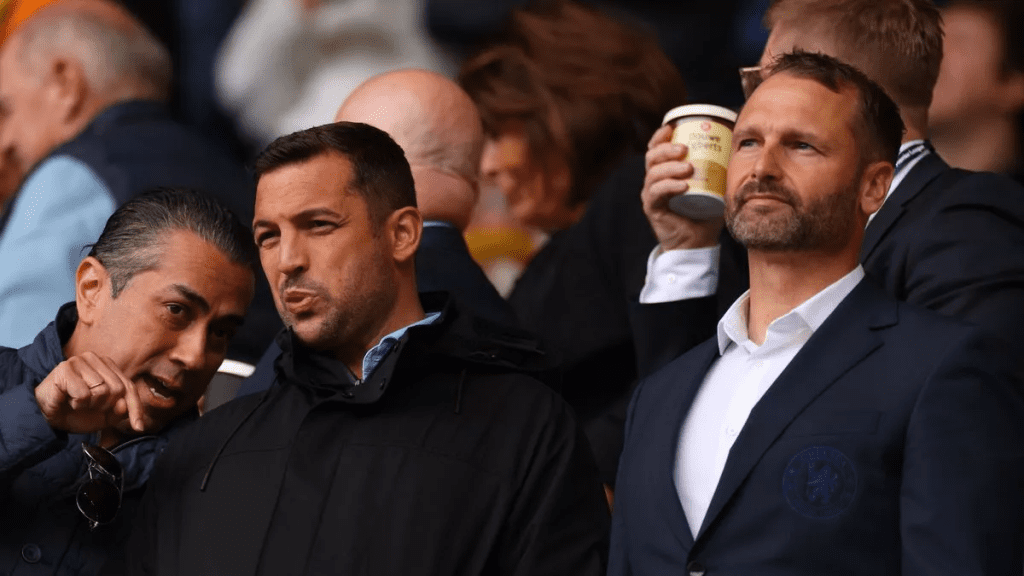
Hiring and firing is how Chelsea have been navigating the managerial market since the take-over in 2022, and that’s not new. But how has Rosenior been set up for failure already?
How Chelsea Have Set Liam Rosenior Up for Failure
The first drawback for Rosenior lies in the fact that the club has restarted yet another process under him. He may also need time to settle on a shape, formation, and style of play that can help Chelsea compete effectively.
Liam Rosenior will have to learn the personal styles of his new players close up in training. He will need to determine which players suit his system and which ones do not—a topic Chelsea had already resolved under Enzo Maresca.

Secondly, the appointment also arrives at a critical stage of the season, where a few poor results could completely derail Chelsea’s campaign.
January and February are packed with season-defining fixtures for the club: Carabao Cup semi-finals against Arsenal, important Champions League league-phase matches, and Premier League fixtures that could decide whether Chelsea will be in the frame for UCL qualification. This period makes life extremely difficult for any new manager at a club like Chelsea, especially given the current confidence levels of several key players.

If Rosenior requires time before he starts delivering consistent wins, Chelsea’s season could already be over, which may lead to an inevitable summer dismissal.
Rosenior had been proving himself in France, a vastly different atmosphere compared to the immense pressure of managing Chelsea across the Premier League, domestic cups, and the Champions League. If he fails to hit the ground running immediately, he will not last long in SW6.