

The English Premier League is often regarded as the most competitive league in the world, yet four Premier League teams crashed out of the Champions League in embarrassing fashion last week. Manchester City, Chelsea, Tottenham, and Newcastle all conceded five goals or more over the two legs of their UCL Round of 16 ties. Does this prove that the Premier League is overrated, or has the most competitive league in the world become a victim of its own success?

Going into the Round of 16, fans of the Premier League felt proud to have six English teams still in the competition. Newcastle were the only English team that came through the playoffs, and they passed brilliantly after dismantling Azerbaijani side Qarabag.
Embarassing UCL Results For EPL Sides
Chelsea faced PSG, Newcastle faced a tough test against Barcelona, Tottenham drew Atletico Madrid, and Manchester City faced what many called at the time of the draw “a very beatable Real Madrid side.”
Chelsea quickly discovered that their 3-0 Club World Cup win over PSG eight months earlier might have been a fluke, as PSG embarrassed them 8-2 on aggregate. Manchester City fell 5-1 to Real Madrid on aggregate, Tottenham lost 7-5 on aggregate, and Newcastle, despite earning a 1-1 draw against Barcelona at St James’s Park in the first leg, lost 7-2 in Spain to record an 8-3 aggregate defeat.
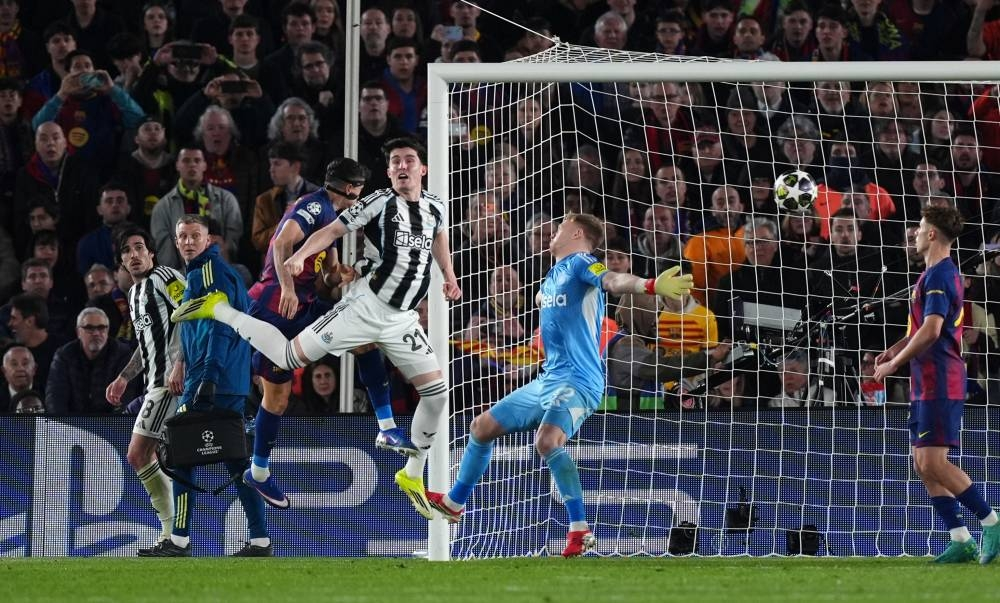
It is not new for multiple teams from a particular league to exit at the same stage, but the manner of these defeats defined the Premier League’s failure this season. Chelsea, Tottenham and Manchester City all collapsed at some point during their ties, and Newcastle did the in Spain.
Was It Fatigue?
Many have linked the Premier League’s struggles in the Champions League this season to fatigue. In England, top teams compete in four competitions: the league, the League Cup, the FA Cup, and European competitions. Teams in La Liga, Serie A, and Germany do not face this exact burden.
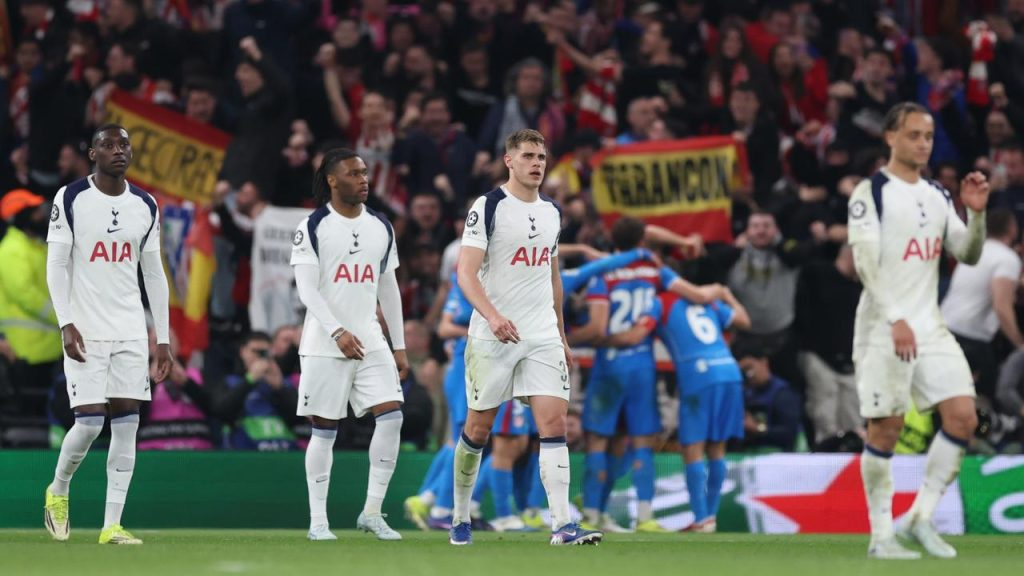
When you combine congested fixtures with the physicality and intensity and minimal mid-season rest in English football, you begin to see why teams from other leagues may arrive better rested and more prepared for these games.
The ultra-competitive nature of the league also plays a key role. Tottenham, despite winning the Europa League last season and playing in the Champions League, sit in the relegation zone. Newcastle, who faced Manchester City and Chelsea between their ties against Barcelona, will also point to fatigue as a factor.
Or Is It Quality of Football?
Even with fatigue, the scorelines remain difficult to justify, especially considering the scale of on-pitch investment in the Premier League. This raises questions about whether the league is currently overrated or declining in quality. Many observers have described this current season as one of the worst in recent EPL history, with teams reverting to early 2000s tactics where set-pieces and high aerial duels dominate instead of technical brilliance on the ball. Arsenal have spearheaded this structured, set-piece-heavy approach, and many teams have followed.
As the Premier League revisits older tactical trends while the rest of Europe focuses on fluid attacking play and technical quality, the gap could widen further in future Champions League campaigns.

Or perhaps this is simply a bad year. Over the last eight years, English teams have reached seven Champions League finals, which suggests that the league still produces elite sides.
Ultimately, the Premier League’s struggles this season do not mean it has become a “farmer’s league.” Instead, its own success may be creating the problem. The league’s intensity leaves no room for rest, as every club earns significant revenue and competes aggressively. Unlike PSG, who can postpone domestic fixtures to prepare for European ties, Premier League teams rarely enjoy such flexibility.
The Premier League operates at a unique level of intensity, and when crucial European ties arrive during congested periods, teams risk fatigue and underperformance against better-rested opponents.