

Jose Mourinho, as a manager, brand, and public figure, is back in La Liga with Real Madrid, and the Special One himself could push the Spanish league back to the top. The former Chelsea boss is expected to massively boost attention to the league worldwide and also significantly increase revenue that could be used to revitalize the league.
Context
La Liga has fallen behind the Premier League massively in terms of revenue, with the gap growing to around £2 billion in 2026 when it was around £500 million back in the 2010s.
This has been due to the Premier League’s huge investments in smaller teams, La Liga’s financial failings during the pandemic, and the loss of megastars like Cristiano Ronaldo and Messi.
La Liga is recovering, but the gap between the Spanish Leaggue and the EPL in terms of revenue is expected to widen, except if the league reaches the heights of the early and late 2010s once again. Jose Mourinho’s return to Real Madrid can fuel La Liga’s rebirth and dominance once again.
Mourinho Back At The Top Again
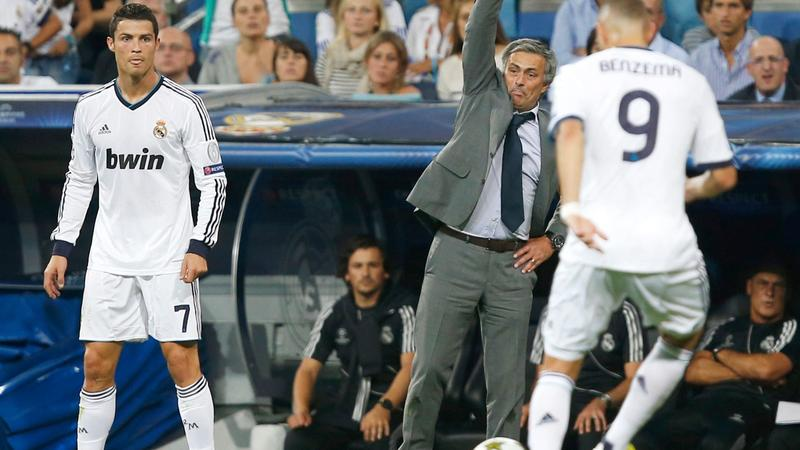
Mourinho has had a mixed tour around Europe in terms of managing clubs since he left Real Madrid in 2013. The Portuguese had success with Chelsea in his second spell at the club from 2013 to 2015, but the club sacked him the following year after a poor start to the league campaign.
He had mixed spells at Manchester United and Roma, and unfulfilling stints at Tottenham, Fenerbahçe, and Benfica. Mourinho is older, wiser, not as arrogant, but still the most talked-about manager in the world.
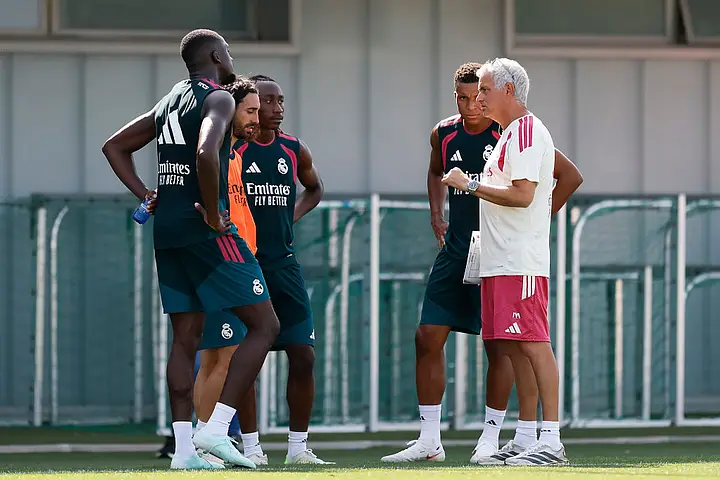
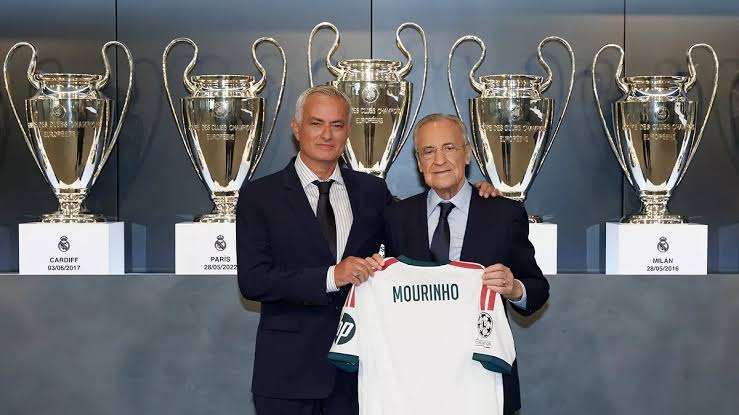
Florentino Perez has brought the Portuguese back to the club to set better standards at the club after consecutive trophyless campaigns.
While some think Mourinho is past his best and should not be at a club like Madrid in 2026, Perez might have just pulled off a move that can relaunch La Liga as the best, most entertaining league in the world, and El Clasuico as the most anticipated match in the footballing calendar once again.
Predicted Impact and Numbers
According to Primetime Sports analysis, Spanish viewing for La Liga matches jumped 27% after Mourinho joined the league in 2010, and kept increasing even after the Portuguese left, and dropped significantly after Ronaldo and Messi left the league, before picking up some momentum a few years back.
If the dramatic Mourinho is able to replicate this type of influence once again this coming La Liga season, that means more revenue for a league that desperately needs it.
A conservative estimate of a 10% increase in viewership worldwide could fetch La Liga an extra £150 to £200 million in combined revenue.
Mourinho could help generate about a £40-60 million increase in streaming revenue, an extra £20-30 million in commercial deals, and a lot more in ticketing/hospitality, merchandise, and digital media.
The Real Prize Is Allure for More Superstars
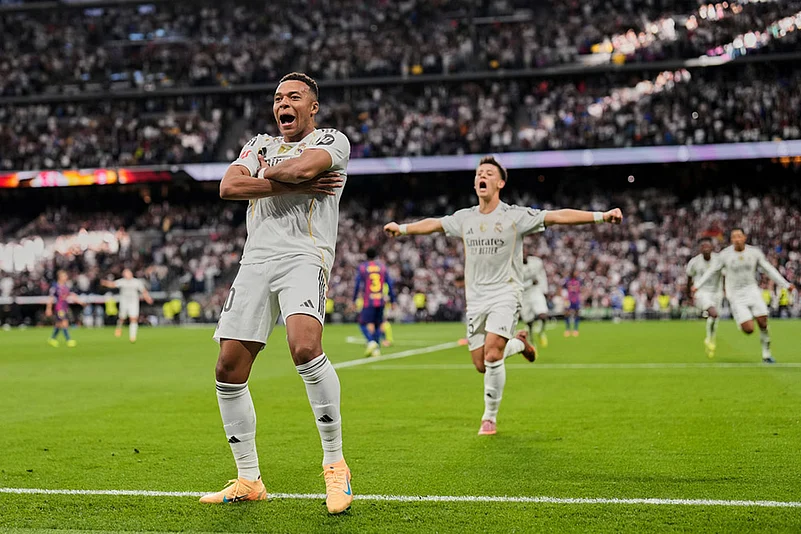
An increase like that could enable a club like Barcelona bring in another global superstar like Erling Haaland, and that directly creates a brilliant two-horse race between an Mbappé, Vinícius, and Bellingham-led Real Madrid and a Yamal, Haaland, and Rodri-led Barcelona.
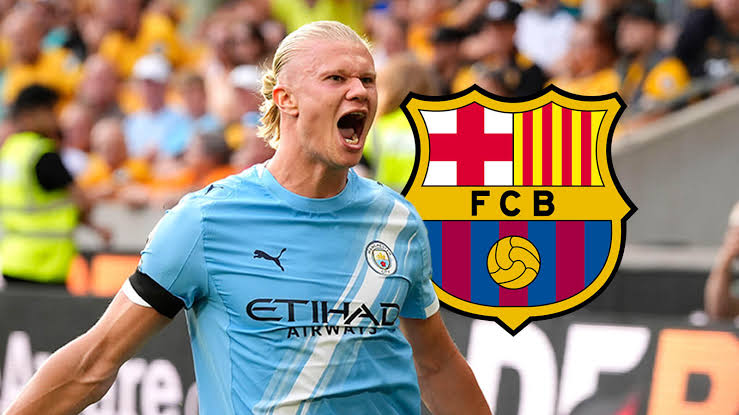
That rivalry, if marketed properly, is enough for La Liga to shoot back up over the Premier League, increase teams revenue, and properly reclaim its spot as the best football league in the world.
Stability at Real Madrid Will Be Important
All this talk of financial growth and Mourinho’s allure goes away if he fails to get results, or in his typical way, divides the Real Madrid squad and loses a dressing room full of big egos quickly.
For Mourinho to fully help Real Madrid, the Portuguese will need to have a successful first year at Real Madrid. That means Mourinho has to deliver the league title or the UEFA Champions League.
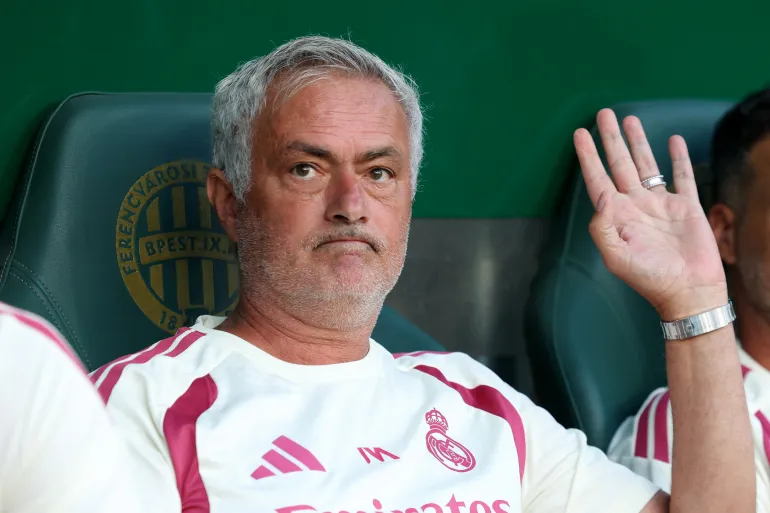
With a purring PSG squad, a top Arsenal team, Bayern Munich, and a Barcelona side revitalized, it’s a tough task even for a stacked Real Madrid squad.
Ultimately, all this growth that Mourinho and the other big name players will bring will only be sustained if La Liga properly manages its resources this time around and also invests in smaller teams so they can grow and become independent enough to challenge the big boys, like the Premier League has with teams like Brighton, Bournemouth, Brentford, Aston Villa, and more.